
Ten Dos and Don'ts of Apologising
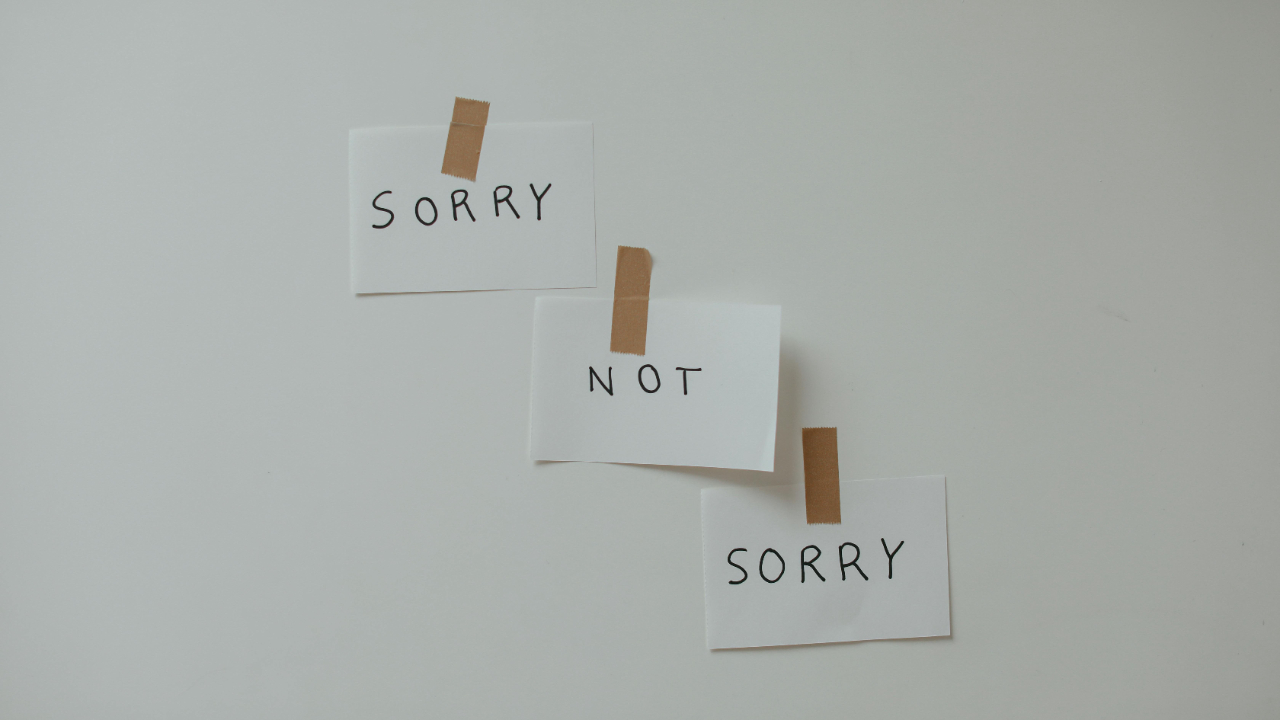
It is really not easy to apologise sincerely, especially when we have been deeply upset or hurt by an event or conversation. However, learning to apologise in a meaningful way is a skill we can all learn, and it can significantly help in all of our relationships.
Here are ten mistakes I have heard clients make when apologising to their partner in sessions. While they are easy to do, they undermine the apology and do not provide what the other person needs to heal and repair the relationship. These are general statements, so please take what you find useful for your unique situation.
What makes a bad apology?
1. Being extremely vague: "I'm sorry for whatever has upset you."
2. Apologies including "...but...": "I'm sorry, but I don't agree."
3. Negating the other person's feelings: "I'm sorry, but that's just not what happened."
4. Deflecting back: "I'm sorry that I did that, but you do it too."
5. Blaming the other person: "I'm sorry, but if you hadn't done that in the first place..."
6. Criticising: "I'm sorry, but you're so sensitive about everything."
7. Invalidating: "I'm sorry, but you can't seriously feel like that."
8. Impatience: "I'm sorry, but can't you get over it already?"
9. Condescension: "I'm sorry that you feel that way."
10. Self-shaming: "I'm sorry, and clearly I'm just a lousy partner who can't do anything right."
What makes for a good apology?
- Calm: Try to get yourself into as calm a mood as possible so you can connect with the other person and your tone remains sincere.
- Sincerity: Apologise when you can actually mean it and not when you are still too angry or upset for it to be genuine.
- Acknowledgement: Name what you have done and what you are apologising for. "I'm sorry for the hurtful comments I made on the drive to the station."
- Responsibility: Make it clear you are taking responsibility for the impact of your words and actions, even if the hurt caused was unintentional.
- Curiosity: Be curious about how you upset the other person, what you weren't listening to, and what they need from you in terms of understanding or behaviour change.
- Validation: Validate the other person's emotions, even if they do not make sense to you. Validating their experience shows you hear and see them, regardless of whether you share their view.
- Active Listening: A big part of a good apology is listening to what the other person felt and needs, even if this is uncomfortable and you want to defend yourself.
- Empathy: Demonstrate real understanding for the other person's feelings and experience, even if they are very different to your own.
- Accountability: Be accountable for your past actions, and be specific about the future changes you are going to make.
- Behaviour Change: Name something you can do differently in the future. This doesn't mean avoiding conflict altogether, but having "better" disagreements.
- Focus only on your apology: When you are apologising, do not do it expecting the other person to apologise at that exact time.
Depending on the situation, a combination of the above will lead to a sincere and heartfelt apology, creating the repair you need to restore the relationship.
Tiga-Rose Nercessian (she/her), PhD Sex & Relationship Psychotherapist (UKCP, NCPS, COSRT Accredited) | Founder of Intimata | Specialising in Relationship Intelligence & Enhancement and Neurodivergent Intimacy.