
For Therapists: Building a Resilient Practice with The Contained Clinician
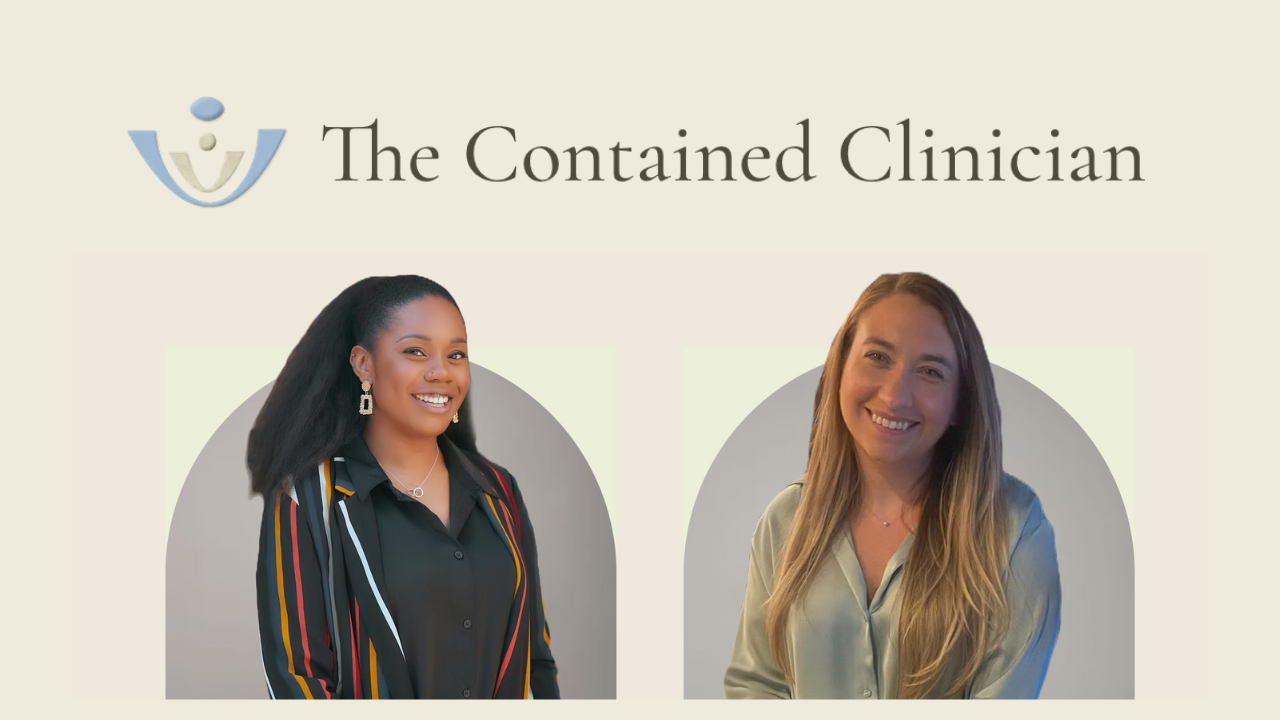
Ever notice that even with years of training and clinical experience, private practise can still present unexpected challenges? For many therapists — whether highly specialised or new to the field — the journey through private practise demands ongoing navigation and refinement. That's where The Contained Clinician steps in, offering a unique blend of community, expert supervision, and practical resources that support therapists at every stage of their professional life.
Recently, I had the pleasure of speaking with Aisha Gordon-Hiles, one of the founders of The Contained Clinician, and the passion for supporting fellow therapists was palpable. The core mission? To create a space where counsellors and psychotherapists can thrive, not just survive, in the complex and often isolating world of counselling and psychotherapy practise.
What is "The Contained Clinician"?
It is more than just a supervision platform; it is a comprehensive support system designed to:
Foster a Sense of Community:
Therapists can connect with peers across modalities and specialisms, share experiences, and build a supportive network. This is particularly vital for practitioners working in specialised or complex fields like psychosexual therapy, where peer connection can be even more crucial.
Provide Access to Diverse Expertise:
Members can tap into a pool of supervisors with specialist knowledge across a range of client presentations, including complex relational and psychosexual issues. This enables a tailored, clinically rich supervision experience that grows alongside the therapist’s own professional development.
Fill the Gaps in Traditional Training:
Recognising that even the most comprehensive training cannot prepare therapists for every eventuality in private practise, The Contained Clinician offers ongoing professional development and resources on crucial areas like ethical business management and financial safeguarding.
Why "Contained"?
The name itself speaks to a crucial need in the profession. As Aisha explained, many therapists — regardless of experience — can feel "ripped apart" by the emotional demands of their work. "Containment" represents the ability to maintain emotional resilience, set healthy relational boundaries, and create a sustainable therapeutic presence, both for themselves and for their clients.
Key Features
Autonomy in Supervision:
Members have the flexibility to choose supervisors based on their clinical needs, whether that is working with complex trauma, psychosexual difficulties, relationship dynamics, or cultural complexities.
Group Supervision:
Fosters collaborative learning across different stages of practise. Mixed groups of qualified and trainee therapists offer opportunities for layered, peer-supported growth.
Comprehensive Resources:
From clinical tools to private practise planning, members have access to practical, immediately applicable resources designed to safeguard both client work and business foundations.
Why Does Supervision Matter to Clients?
As the conversation highlighted, supervision isn't just about professional compliance — it is central to ethical, effective client care. Good supervision helps therapists to:
- Identify Blind Spots: Supervisors offer a reflective lens to uncover subtle clinical dynamics, particularly when working with nuanced relational issues.
- Maintain Ethical Practise: Supervision supports therapists in navigating intricate boundaries and the nuanced realities of therapeutic work.
- Process Emotional Demands: It provides a protected space for therapists to metabolise the emotional impact of their work, preventing burnout and fostering clinical resilience.
How to Learn More
Visit the website: www.thecontainedclinician.com
The Counsellor's Compass course launches May 8th and addresses foundations that even experienced therapists need to refine. Details can be found here.
The Contained Clinician isn't just a platform — it is a movement towards a stronger, more resilient future for therapists across all stages and specialisms.
Tiga-Rose Nercessian (she/her), PhD Sex & Relationship Psychotherapist (UKCP, NCPS, COSRT Accredited) | Founder of Intimata | Specialising in Relationship Intelligence & Enhancement and Neurodivergent Intimacy.